
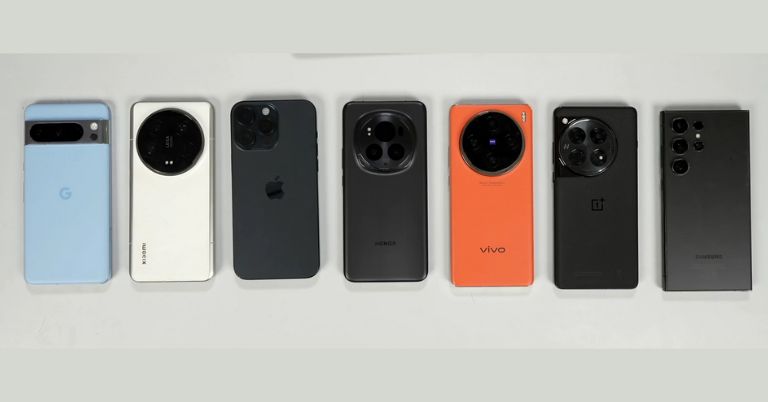
Finding the perfect smartphone on a budget doesn’t mean compromising on quality anymore. The sub-₹15,000 segment has become incredibly competitive, with manufacturers packing premium features into affordable devices. Whether you’re a student, a first-time smartphone buyer, or someone looking for a reliable secondary device, this guide will help you navigate the best options available.
What to Expect in This Price Range
Before diving into specific recommendations, let’s understand what features you can realistically expect from phones under ₹15,000. The good news is that this segment has evolved dramatically over the past few years, offering impressive value for money.
Display Quality: Most phones in this range now feature Full HD+ displays with 90Hz or even 120Hz refresh rates, ensuring smooth scrolling and an enjoyable viewing experience. Screen sizes typically range from 6.4 to 6.7 inches, perfect for media consumption and gaming.
Performance: You’ll find capable processors from MediaTek and Qualcomm that handle everyday tasks with ease. While they may not match flagship performance, these chipsets are more than sufficient for social media, video streaming, light gaming, and multitasking.
Camera Systems: Triple or quad camera setups are common, with primary sensors ranging from 48MP to 108MP. While megapixels aren’t everything, the camera quality in this segment has improved significantly, delivering decent photos in good lighting conditions.
Battery Life: Large batteries between 5,000mAh to 6,000mAh are standard, easily lasting a full day of moderate to heavy use. Fast charging support, typically between 18W to 33W, is also becoming increasingly common.
Key Features to Consider
Processor Power
The processor is the heart of your smartphone, determining how smoothly apps run and how well the device handles multitasking. In this price range, look for chipsets like the MediaTek Dimensity 6100+, Snapdragon 4 Gen 2, or similar processors that offer a good balance between performance and power efficiency.
For casual users who primarily use their phones for calling, messaging, social media, and streaming, mid-range processors will serve perfectly well. However, if you’re into mobile gaming, prioritize devices with better GPU performance and at least 6GB of RAM.
Display Technology
Your display is what you’ll be looking at every time you use your phone, so it matters. AMOLED displays offer deeper blacks, more vibrant colors, and better contrast compared to LCD panels. However, good quality IPS LCD screens can also provide excellent viewing experiences.
Refresh rate is another crucial factor. A 90Hz or 120Hz display makes everyday interactions feel more fluid and responsive compared to the standard 60Hz. Once you experience a high refresh rate display, it’s hard to go back.
Camera Capabilities
While specifications on paper matter, real-world camera performance depends on software optimization. Look for phones with proven camera systems, good low-light performance, and useful features like night mode, portrait mode, and video stabilization.
Don’t be swayed by high megapixel counts alone. A well-optimized 48MP camera will often produce better results than a poorly optimized 108MP sensor. Check camera samples and reviews before making your decision.
Battery and Charging
A 5,000mAh battery should be your minimum requirement. Coupled with power-efficient processors, this ensures your phone lasts through a full day of use. Fast charging support of at least 18W is becoming standard, with some devices offering 33W charging that can top up your battery in about an hour.
Software Experience
The software experience can make or break your smartphone usage. Clean, near-stock Android interfaces typically offer smoother performance and faster updates compared to heavily customized skins. Consider brands known for providing timely security updates and at least two years of software support.
Top Contenders in the Market
Premium Budget Options (₹13,000-₹15,000)
At the higher end of this budget, you’ll find devices that closely rival mid-range phones from just a year or two ago. These phones typically feature better cameras, faster processors, AMOLED displays, and premium build quality. They’re ideal if you can stretch your budget slightly and want a device that feels more premium.
Brands like Realme, Poco, Redmi, Samsung, and Motorola offer strong contenders in this segment. Look for devices with 5G support for future-proofing, as 5G networks continue to expand across India.
Mid-Budget Champions (₹10,000-₹13,000)
This sweet spot offers excellent value, with phones that balance performance, camera quality, and battery life effectively. You might have to compromise slightly on build materials or display technology, but overall functionality remains strong.
These devices are perfect for students, first-time smartphone buyers, or anyone wanting a reliable daily driver without breaking the bank. Many phones in this range offer near-flagship experiences at a fraction of the cost.
Entry-Level Options (Under ₹10,000)
While slightly below our ₹15,000 threshold, it’s worth mentioning that if you’re on an even tighter budget, several phones under ₹10,000 offer surprising value. You’ll need to prioritize certain features over others, but basic smartphone functionality is well-covered.
Making the Right Choice
Assess Your Priorities
Everyone’s smartphone needs are different. Are you a photography enthusiast who prioritizes camera quality? A gamer who needs strong performance? Or someone who primarily uses their phone for communication and media consumption?
Create a priority list of features that matter most to you. This will help narrow down options and prevent you from being swayed by flashy specifications that you might not actually use.
Read Reviews and Comparisons
Don’t rely solely on specifications. Real-world reviews provide insights into actual performance, camera quality, battery life, and potential issues. Watch video reviews to see the device in action and understand how it performs in various scenarios.
Pay attention to long-term reviews that assess how phones hold up after several months of use, as this gives you a better idea of reliability and durability.
Consider After-Sales Support
A phone is only as good as the support behind it. Research the brand’s reputation for after-sales service, warranty coverage, and service center availability in your area. A slightly less powerful phone from a brand with excellent service might be a better long-term investment.
Future-Proofing
While it’s impossible to completely future-proof a budget device, certain features can extend its usability. 5G support is becoming increasingly important as networks expand. Adequate RAM (at least 6GB) and storage (128GB minimum) ensure your phone doesn’t feel outdated too quickly.
Also, consider brands with a track record of providing software updates, as these keep your device secure and running smoothly for longer.
Common Pitfalls to Avoid
Don’t fall for megapixel marketing: A 108MP camera isn’t automatically better than a 48MP one. Software optimization and sensor quality matter more than raw numbers.
Avoid outdated processors: Some brands sell phones with older chipsets at inflated prices. Research the processor to ensure it’s current-generation or at most one generation old.
Check actual user reviews: Manufacturer specifications can be misleading. Real user experiences on e-commerce platforms and tech forums provide honest feedback about issues and reliability.
Consider total cost of ownership: The cheapest phone isn’t always the most economical if it breaks down quickly or requires expensive repairs. A slightly more expensive but reliable device might save you money in the long run.
Where to Buy
E-commerce platforms like Amazon and Flipkart often offer better deals than offline stores, especially during sale events. However, offline purchases let you physically examine the device and sometimes offer easier returns or exchanges.
Watch for bank offers, cashback deals, and exchange bonuses that can effectively reduce the price. Sale periods like Republic Day, Independence Day, and festive seasons typically bring the best discounts.
Final Thoughts
The smartphone market under ₹15,000 has never been more exciting. With intense competition between manufacturers, consumers are the real winners, getting access to features that were once exclusive to flagship devices.
Remember that the best phone for you depends on your specific needs and usage patterns. Don’t get caught up in specification wars or brand loyalty. Focus on what matters most for your daily usage, read thorough reviews, and choose a device from a reputable brand with good after-sales support.
Take your time with this decision. A smartphone is a device you’ll use multiple times every day for at least a couple of years. The right choice will serve you well, while a hasty decision might lead to buyer’s remorse.
Whether you prioritize camera quality, gaming performance, battery life, or simply want a reliable daily driver, there’s a phone under ₹15,000 that fits your needs perfectly. Happy phone hunting!
Frequently Asked Questions
While 4GB RAM can handle basic tasks, it’s better to opt for at least 6GB RAM if possible. This ensures smoother multitasking and better app performance. With 6GB or 8GB RAM, your phone will handle multiple apps running simultaneously without slowing down, and it will remain usable for a longer period.
If you can find a 5G-enabled phone within your budget without compromising on other essential features, go for it. However, don’t sacrifice important features like battery life, camera quality, or processor performance just for 5G. Since 5G networks are still expanding in India, a good 4G phone will serve you well for the next 2-3 years.
AMOLED displays offer deeper blacks, better contrast, more vibrant colors, and are generally more power-efficient. However, good quality IPS LCD displays can also provide excellent viewing experiences with accurate colors and good brightness. If you watch a lot of videos or use your phone in dark environments, AMOLED is preferable. For outdoor visibility, both can perform well if they have good peak brightness.
A 90Hz or 120Hz refresh rate makes scrolling through apps, browsing the web, and navigating menus feel noticeably smoother compared to the standard 60Hz. While it’s not essential for basic usage, once you experience it, it’s hard to go back. If you have the option, choose a higher refresh rate display, but don’t compromise on other critical features for it.
Yes, most phones in this price range can run popular games like BGMI, COD Mobile, and Free Fire. However, you’ll need to adjust graphics settings to medium or low for smooth gameplay. Look for phones with Snapdragon 4 Gen 2 or MediaTek Dimensity 6100+ processors or better, along with at least 6GB RAM for a decent gaming experience.
With proper care, a good quality phone in this segment should last 2-3 years comfortably. The lifespan depends on factors like build quality, software updates, battery health, and how you use it. Phones from reputable brands with good after-sales support tend to last longer. Using a protective case and screen guard can also extend your phone’s life.